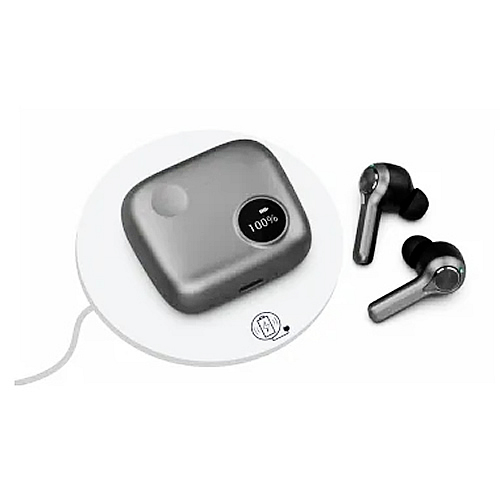
In-ear Bluetooth headphones, with their excellent physical sound insulation and immersive audio quality, have become the top choice for commuting and focused work scenarios. However, prolonged wearing may cause discomfort in the ear canal or hygiene issues, so it is necessary to weigh the pros and cons before using them.
Core advantages: Quiet and immersive, portable and stable
In-ear headphones create a sealed space by penetrating the ear canal, making them one of the most effective types of noise-canceling headphones currently available.
Ultra-sealed Sound Isolation and Noise Reduction: The physical enclosure structure can effectively block external noise. Combined with active noise reduction technology, it can create a quiet environment even in noisy places such as airplanes and subways, allowing you to clearly hear the details without having to turn up the volume.
Excellent sound quality: The sealed environment reduces sound leakage, enhancing the volume and depth of the bass, enabling a more complete reproduction of musical details and providing an immersive listening experience.
Stable and portable design: Compact in size, easy to carry, and with an ear canal insertion design, it is unlikely to fall off during movement or walking. It is highly suitable for business travelers to use while on the go.
Potential weaknesses: Wearing burden, health risks
Although the experience is excellent, the "in-ear" design also brings some issues that cannot be ignored, especially for users who need to wear it for a long time.
Ear canal compression and pain: Wearing for a long time will cause continuous compression to the ear canal, which can easily lead to a feeling of swelling and pain. For users with sensitive or oily ear canals, this discomfort is more pronounced.
Hygiene and Inflammation Risk: The enclosed environment hinders the air circulation within the ear canal. The accumulation of sweat can easily lead to bacterial growth. If not cleaned properly, it may cause external otitis or otitis media.
Hearing impairment risk: Due to good sound insulation, users tend to increase the volume unconsciously. The sound waves directly impact the eardrum at close range. Long-term use at high volume levels increases the risk of hearing impairment.
Weak environmental perception: The extremely strong sound insulation effect may block out key environmental sounds such as vehicle horn sounds when walking outdoors or driving, posing certain safety risks.




 +86 13925822912
 +86 13925822912



 Lang
Lang